
The “seating feeling” of soft, medium, and hard refers to the level of firmness and support a seat provides, and each has distinct implications for comfort, posture, and long-term health.
Here’s a breakdown of the seating feeling for each:
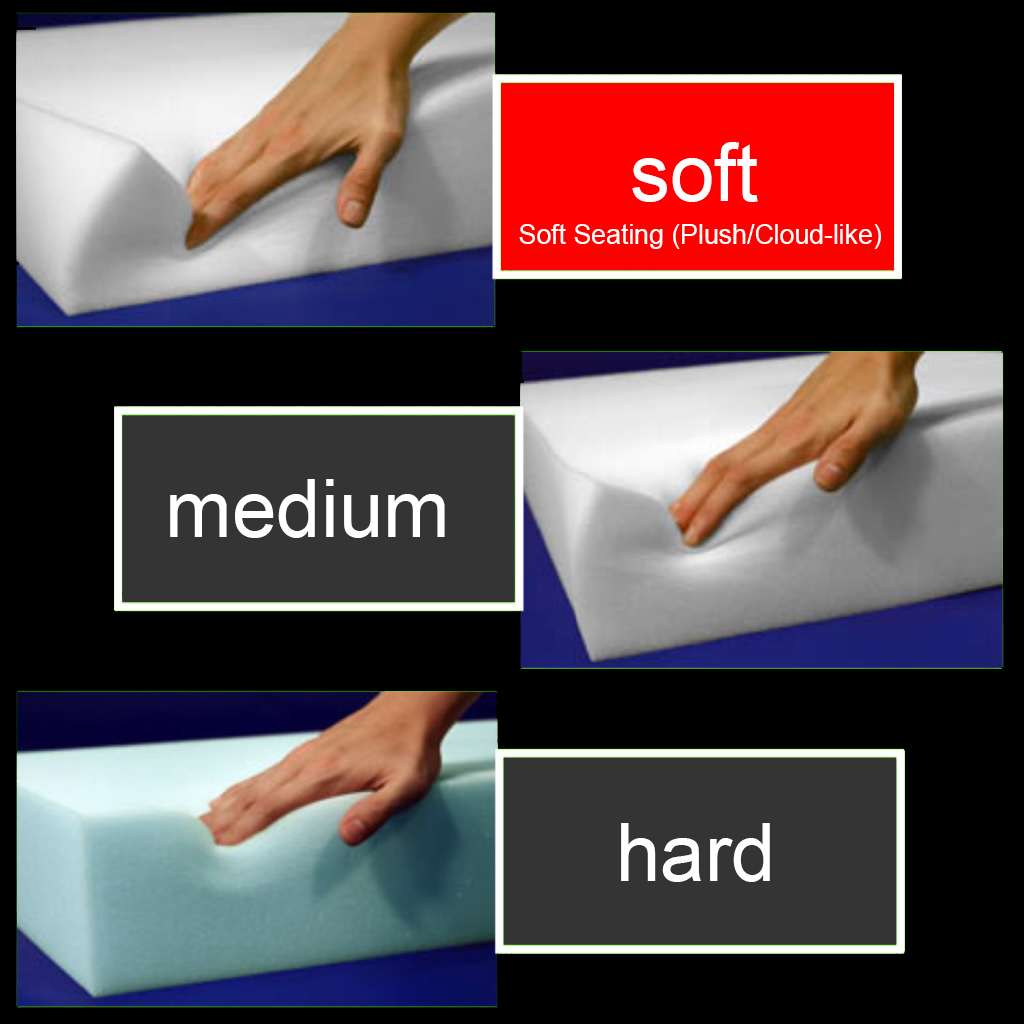
Soft Seating (Plush/Cloud-like):
- Feeling:
- Immediate impression: Often described as sinking into a cloud, enveloping, cozy, and luxurious. There’s a noticeable give and a deep impression when you sit down.
- Pressure relief: Can feel very comfortable initially as it contours to the body, distributing weight across a larger surface area and reducing pressure points on areas like hips and tailbone.
- Pros:
- Excellent for relaxation and lounging.
- Offers significant pressure relief, which can be beneficial for individuals with certain joint pain or chronic conditions.
- Can create a relaxed and informal atmosphere.
- Cons:
- Poor posture: The main drawback is that it can lead to poor posture. You tend to sink too deeply, causing the spine to curve unnaturally into a “C” shape rather than maintaining its natural “S” curve. This can lead to slouching, strained back muscles, and misalignment of the spine.
- Lack of support: Muscles have to work harder to support the body, leading to fatigue and discomfort over time, especially during extended sitting periods.
- Reduced blood circulation: Sinking too deeply can restrict blood flow.
- Durability: Softer foams and materials tend to lose their shape and support more quickly over time.
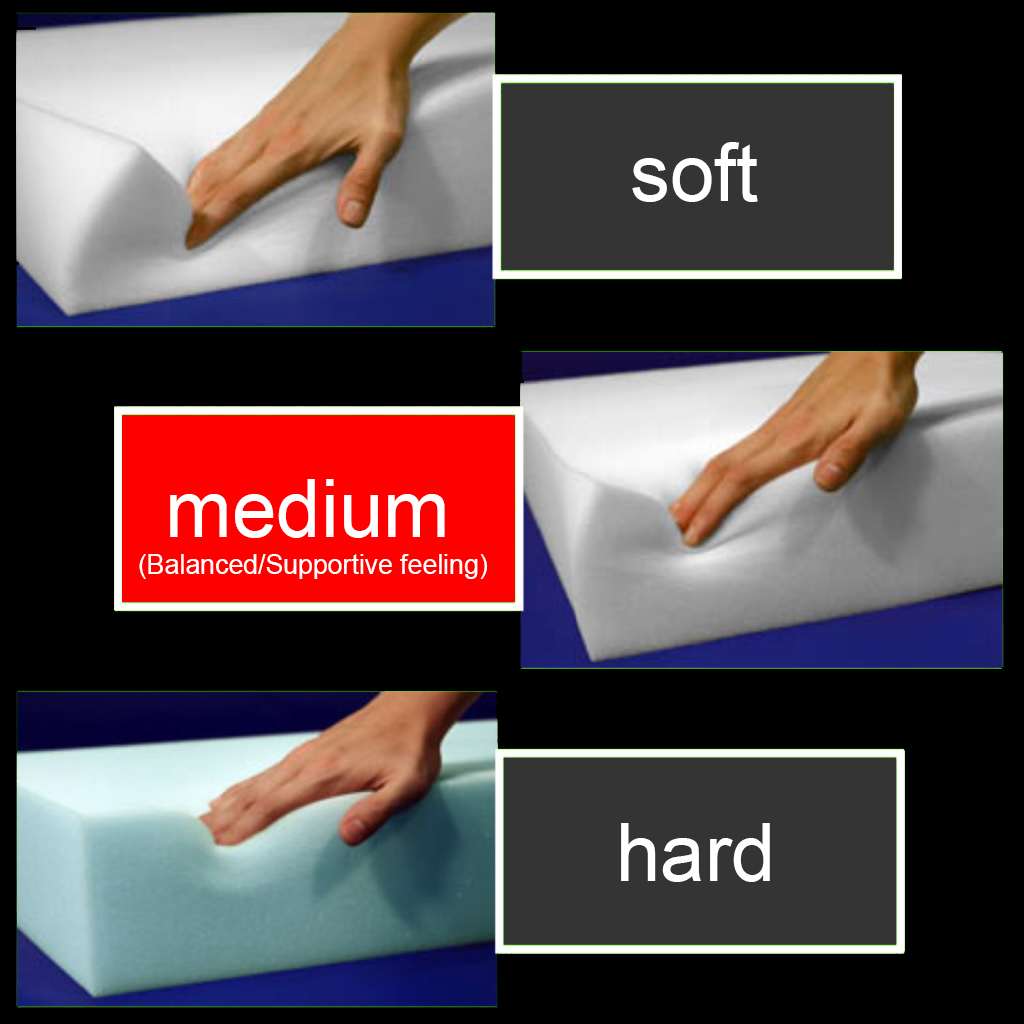
- Medium Seating (Balanced/Supportive with Cushion):
- Feeling:
- Immediate impression: Offers a balance between cushioning and support. You feel a gentle give, but you don’t sink excessively. It feels comfortably supportive.
- Pressure relief and support: Provides enough cushioning for comfort while offering adequate resistance to keep the spine aligned.
- Pros:
- Good posture: Encourages better spinal alignment and maintains the natural curvature of the back.
- Balance of comfort and support: Ideal for sitting for extended periods as it reduces strain on the back and neck.
- Versatile: Suitable for most body types and preferences, making it a good compromise for shared spaces or households with varied needs.
- Durability: Generally more durable than soft seating, retaining its shape and support for longer.
- Cons:
- May not provide the deep, enveloping sensation that some individuals prefer for pure lounging.
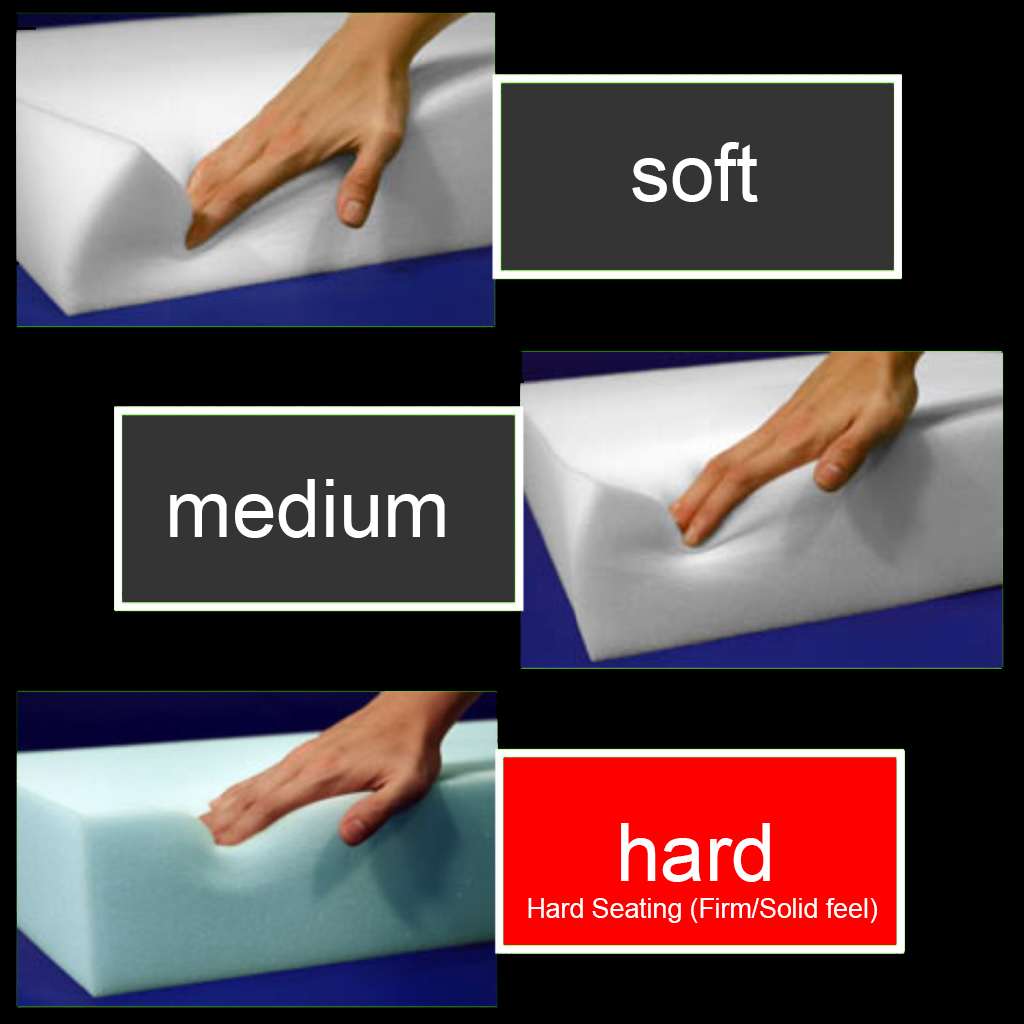
Hard Seating (Firm/Structured):
- Feeling:
- Immediate impression: Minimal to no give. It feels solid, stable, and very supportive. You sit “on” the seat rather than “in” it.
- Pressure points: Can feel rigid or uncomfortable initially, especially for prolonged periods, as it may create more pronounced pressure points if there isn’t adequate cushioning or ergonomic shaping.
- Pros:
- Excellent posture: Promotes a very upright and structured sitting position, which is highly beneficial for maintaining good posture and spinal alignment. This can be particularly helpful for those with existing back pain or those who need to remain alert and focused (e.g., in office settings).
- Durability: Harder materials and construction tend to be extremely durable and resistant to sagging or losing shape over time.
- Alertness: Can help you stay more alert and focused due to the lack of “sinking” and the upright posture it encourages.
- Cons:
- Initial discomfort: Can be uncomfortable, especially for longer durations, due to less cushioning.
- May not be suitable for lounging or extreme relaxation.
- Can create pressure points if not combined with proper ergonomic design or if the user is sensitive to firm surfaces.
Ultimately, the “best” seating feeling depends on individual preferences, body type, and the intended use of the seating.
For prolonged sitting, a medium to firm option is generally recommended for optimal comfort and spinal health.